Le guide ultime de la bouteille d'huile d'olive : maîtriser la science des matériaux, la chaîne d'approvisionnement mondiale et le design haut de gamme pour réussir dans le secteur de l'huile d'olive extra vierge.
Part I: The Strategic Imperative of the Bouteille d'huile d'olive
Le bouteille d'huile d'olive is not merely a piece of glassware; it is the single most critical investment that protects, positions, and sells Extra Virgin Olive Oil (EVOO). In the highly competitive global market, the quality of packaging directly correlates with the perceived quality of the oil and, crucially, its actual shelf life. It is the initial physical touchpoint that sets the tone for your brand’s narrative.

1.1 The Enemies Within: Why EVOO is Vulnerable
EVOO is a premium food product defined by its delicate chemical composition—specifically, its high concentration of monounsaturated fats (oleic acid) and natural antioxidants (polyphenols). These beneficial compounds are fragile and under constant threat from three environmental factors:
- Light (Photo-oxidation): Light, especially in the UV and visible spectrums, acts as a catalyst. It breaks down chlorophyll, which then accelerates the oxidation of fatty acids, leading to rapid rancidity. This is the scientific reason behind the question: why is olive oil in dark bottles? Light exposure is a zero-sum game; any exposure, even minimal, contributes to degradation.
- Oxygen (Auto-oxidation): Prolonged contact with air, particularly the oxygen content in the bottle’s headspace, initiates a chain reaction of lipid degradation. A poor seal or inadequate barrier material allows continuous oxygen ingress, shortening shelf life dramatically. Once opened, the degradation process is exponentially accelerated.
- Heat (Thermal Oxidation): Elevated temperatures accelerate all oxidative processes, often working synergistically with light and oxygen. Maintaining a constant, cool temperature is essential, but the packaging must provide the primary defense against temperature fluctuations during transit and retail display.
The strategic imperative for selecting the correct bouteille d'huile d'olive is clear: maximum preservation is maximum premiumization. A faulty package can negate years of careful cultivation and milling within weeks on a bright retail shelf. This critical decision impacts consumer trust, return purchase rates, and overall brand integrity.
Part II: Advanced Material Science and Barrier Technology
The selection of a container material is a technical decision rooted in barrier science. While glass remains the industry benchmark, modern advancements in plastic and metal necessitate a detailed, comparative analysis of their barrier performance and suitability for various market segments.
2.1 Glass: The Gold Standard for the Bouteille d'huile d'olive
Glass offers chemical inertness, a non-porous structure, and an undeniable premium aesthetic. As the primary choice for a glass olive oil container, its benefits far outweigh its drawbacks (weight and fragility) for high-end brands. Glass provides an absolute barrier against moisture and gases, crucial for long-term flavor stability.
A. The Critical Role of Color: The Dark Glass Defense
For optimal preservation, the glass must be colored. This explains the industry standard and its scientific backing:
- Amber (Brown) Glass: Recognized as the most effective commercial barrier, amber glass blocks the largest spectrum of harmful UV and blue light wavelengths (typically up to 450 nm), providing superior protection against photo-oxidation. This is the ultimate choice for preserving the delicate polyphenols in EVOO.
- Dark Green Glass: While traditionally used (answering why are olive oil bottles green), dark green offers effective protection but is slightly less comprehensive than amber. It remains a popular, classic aesthetic choice for premium oils.
- Clear Glass: Often used by brands to showcase the oil’s golden-green hue, clear glass bottles for olive oil are functionally unsuitable for long-term storage or bright retail environments. Their use must be strictly limited to oils stored in dark, protective secondary packaging or those intended for immediate consumption. They expose the brand to the highest risk of premature rancidity claims.
To meet the high demands of the luxury segment, manufacturers increasingly use dark glass bottle for olive oil et dark glass bottles for olive oil that feature enhanced UV-filtering additives within the glass matrix itself, pushing the performance boundaries of standard green or amber hues. For more info, please refer to: Pourquoi les bouteilles en verre foncé sont essentielles pour le conditionnement de l'huile et des jus
B. Enhancing Glass with Decoration and Customization
Premium brands utilize decoration to both enhance the light barrier and convey a unique brand story:
- Ceramic and Organic Printing: Applying a dense, opaque ceramic or organic ink coating to the exterior of the olive oil bottle glass can effectively supplement the bottle’s inherent color, transforming a standard container into a functional dark barrier while offering limitless artistic customization for a vintage olive oil bottle or a bespoke design. This permanent decoration resists wear and communicates high quality.
- Embossing and Debossing: Creating a custom mold allows for permanent branding elements (raised or sunken logos, unique textures) directly into the glass. This process, essential for items like a high-end ceramic olive oil dispenser, dramatically elevates perceived value and protects against counterfeiting.
Contact Our Olive Oil Bottle Experts for Free Consulation Now!
2.2 PET and Plastic Alternatives: The Barrier Challenge
The use of plastic bottle for olive oil (plastic olive oil bottle ou olive oil bottle plastic) is primarily driven by cost savings, logistics efficiency (lightweighting), and safety (shatterproof). However, standard PET has inherent weaknesses related to oxygen permeability.
| Material Type | Barrier Performance | Shelf Life Implication | Market Use Case |
| Standard PET | Poor oxygen barrier, moderate UV barrier (unless colored). | Oil quality may degrade significantly within 3-6 months due to oxygen ingress. | Economy, Food Service (HORECA), high-volume refill where oil is consumed quickly. |
| Active Barrier PET | Incorporates Oxygen Scavengers (active) and often UV Absorbers (passive). | Significantly extends the shelf life, often rivaling dark glass performance by chemically binding oxygen. | Premium plastic options, specialized dispensing needs, travel sizes. |
| Coated/Layered Plastic | Multilayer structures (e.g., PET/EVOH/PET) for enhanced gas barrier properties. | Excellent gas barrier performance suitable for long-term preservation. | Used extensively for bag-in-box systems and flexible pouches. |
The key innovation here is Active Packaging: adding functional elements (like oxygen scavengers) to the plastic matrix. These compounds chemically consume oxygen that permeates the bottle wall, creating a dynamic barrier and mitigating one of the primary weaknesses of plastic olive oil bottle formats.
2.3 Metal Tins and Alternative Formats
Metal packaging, typically tinplate or aluminum, offers total light protection and an outstanding oxygen barrier when properly sealed, though cost and consumer preference often restrict its use.
- Tin Cans: Lightweight, durable, and stackable, making them highly efficient for olive oil bottles wholesale logistics. Used frequently for large format (3L/5L) family sizes and export. The essential requirement is a food-grade internal enamel coating to prevent metal interaction with the oil.
- Bag-in-Box (BIB): This composite format (multilayer plastic bladder inside a cardboard box) offers superior long-term post-opening preservation. As the oil is dispensed, the bladder collapses, effectively eliminating headspace oxygen. This format is increasingly utilized for high-volume, quality-conscious consumption (e.g., bakeries, restaurants).
Part III: The Art of Design, Ergonomics, and Consumer Experience
Packaging design translates functional requirements into consumer appeal. The form, size, and dispensing mechanism of the bouteille d'huile d'olive define the user experience and the immediate perception of brand value.
3.1 Shape, Size, and Ergonomics
The physical shape of the bouteille d'huile d'olive influences logistics, branding, and, critically, pourability et hand feel.
| Shape Category | Description & Design Cues | Ergonomic Feature | Related Keywords |
| Classic Cylinders | Dorica Bottle: Tall, slender, cylindrical profile, popular in modern EVOO markets. | Balanced weight distribution, easy to grip and pour, minimizes spillage risk. | Dorica bottle |
| Traditional Squares | Marasca Bottle: Square or rectangular base, often with sharp, defined shoulders. | Excellent shelf stability, maximized fill space, conveys authenticity. | Marasca bottle |
| Specialty/Novelty | Unique, custom-molded shapes; mini olive oil bottle (e.g., 100ml) or olive oil bottle small (250ml). | Ideal for tasting kits, luxury gifting, or single-serve convenience. | mini olive oil bottle, olive oil bottle small |
Design choices, such as incorporating the aesthetic of an antique olive oil bottle or a highly contemporary, minimalist form, instantly communicate the brand’s positioning—be it heritage or modern health.
-

Bec verseur pour bouteille d'huile d'olive – GPI 30.15 pour bouteilles Marasca et Dorica
-
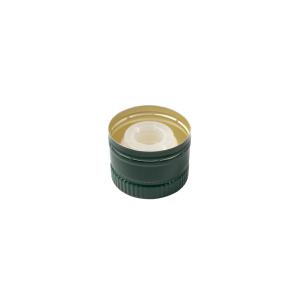
Bouchon en aluminium pour huile d'olive – GPI 30.15 pour bouteilles Marasca et Dorica
-
Bouteille d'huile d'olive en verre de 1 L en stock
-
Bouteilles de marasca de 1 000 ml/1 litre, BP21414A
-
Bouteilles de marasca 750 ml, BPHPYL750-5205-QD
-
Bouteilles de Marasca 500 ml en stock, 1 428 pièces par palette courte
$465.00 -
Bouteilles Dorica 500 ml en stock, couleur AG, 1 444 pièces par palette courte
$482.00 -
Bouteilles Dorica 250 ml en stock, 2 208 pièces par palette courte
$493.00 -
Bouteilles de Marasca 250 ml en stock, 2100 pièces/palette courte
$477.00 -
Bouteilles Dorica 100 ml en stock, 2 880 pièces par palette courte
$448.00 -
Bouteilles de marasca de 100 ml en stock, 3 750 pièces par palette courte
$485.00



3.2 Closures and Dispensing Innovation
A poor closure can ruin the best oil by allowing oxygen ingress. The functional goal is a hermetic seal combined with an optimal and controlled dispensing experience.
- Pouring Systems: Consumers expect precision. This has popularized the inclusion of a pre-inserted or screw-on olive oil bottle dispenser ou olive oil bottle with pourer. Advanced designs feature sophisticated one-way valves that prevent oxygen from rushing into the bottle as the oil is dispensed, offering active protection post-opening.
- Safety and Tamper Evidence: All commercial closures (whether screw cap or olive oil bottle top with a crimped seal) must feature a tamper-evident band, providing consumer confidence and fulfilling regulatory requirements.
- The Squeeze and Spray Trend: The increasing demand for precise portion control has driven the popularity of the olive oil bottle spray and squeezable formats. While the format (often PET) raises preservation questions, high-barrier versions combined with spray or olive oil bottle dispenser attachments are meeting the need for functional kitchen tools.
- High-Volume Functionality: For olive oil bottle bulk orders destined for food service, robust, reusable olive oil bottle with spout designs are essential for heavy daily use, focusing on durability over extreme aesthetic delicacy.
3.3 Customization: Beyond the Label
For brands seeking true distinction and pricing power, customization moves beyond standard label application to integrated physical features:
- Custom Molds and Tooling: Investing in proprietary molds for a unique bouteille d'huile d'olive shape is the highest level of differentiation. This provides a truly exclusive aesthetic that competitors cannot replicate, justifying the investment for high-volume, premium brands.
- Serialization and Traceability: Integrating smart packaging features (QR codes, NFC tags) allows for tracking oil from the mill to the consumer. This provides crucial provenance verification, enhances anti-counterfeit protection, and allows for dynamic consumer engagement (e.g., sharing harvest videos or tasting notes).

Part IV: Strategic Sourcing and Global Supply Chain Mastery
For businesses dealing in high volumes, moving from an olive oil bottle for sale to a successful commercial venture requires a robust, resilient, and cost-efficient global supply chain. This is where a packaging partner’s logistical and quality expertise becomes an indispensable strategic advantage.
4.1 Global Procurement and Logistics Optimization
Sourcing olive oil bottles wholesale ou olive oil bottle bulk requires deep expertise in freight optimization, risk management, and international customs compliance.
- Freight Efficiency and Lightweighting: Glass is heavy and expensive to ship. Optimizing the bottle design for lightweighting (reducing glass thickness without compromising strength) and maximizing the pallet configuration (how many units fit on a standard pallet) directly and significantly lowers the overall landed cost per unit.
- Just-In-Time (JIT) vs. Inventory Stocking: A packaging partner should offer tailored inventory programs. For stable, high-volume bouteille d'huile d'olive en gros needs, dedicated stock holding near the filling line minimizes lead times and guards against supply shocks (e.g., unforeseen transport delays or material shortages). We utilize sophisticated forecasting tools to mitigate risks associated with volatile global shipping markets.
- Multi-Sourcing Strategy: For critical packaging components like the dark glass bottle for olive oil, diversifying production across certified, multiple geographic locations prevents single-source failure, ensuring continuity of supply and allowing for regional cost optimization. Our APAC presence is key for maximizing sourcing efficiency.
4.2 Quality Control and Food Safety Compliance
The regulatory environment (FDA, EU Regulations, IOC standards) is strict. The filling process demands packaging precision.
- Critical Defect Analysis (CDA): Our rigorous incoming Quality Control (QC) protocols for olive oil bottle bulk orders focus on critical defects, particularly those related to the neck finish. Any microscopic variance in the bottle neck finish (which adheres to industry standards like DIN) will lead to catastrophic line failures, leaks, and compromised sealing integrity.
- Chemical Inertness and Migration Testing: Beyond the bottle itself, all components—including the olive oil bottle top, pourer, and seal lining—must be certified food-grade. We conduct thorough migration testing to ensure no trace elements or chemicals leach into the oil, protecting the product’s quality and chemical parameters.
Part V: Future Trends and Sustainable Packaging for Olive Oil (2025-2026)
L'avenir de bouteille d'huile d'olive design is dominated by the intersecting drivers of sustainability, circular economy principles, and advanced functionality. Forward-thinking brands must integrate these trends now.
5.1 The New Luxury: Sustainability and Circularity
Sustainability is the new benchmark for premium positioning. Future packaging must focus on circularity and reduced environmental footprint:
- Post-Consumer Recycled (PCR) Content: Increasing the use of glass incorporating a high percentage of recycled content (PCR glass) drastically reduces the energy and carbon footprint of production. The challenge lies in ensuring PCR glass maintains the necessary color density and UV-blocking performance required for a dark glass bottle for olive oil.
- Refill and Reuse Models: The market is rapidly pivoting towards durable, reusable primary packaging (like an elegant ceramic olive oil dispenser or custom glass bottle) paired with bulk, flexible, lightweight refill formats (e.g., high-barrier plastic pouches or BIB). This is the most effective way to reduce overall packaging material usage and shipping emissions.
- Lightweighting as Luxury: The perception that “heavy equals quality” is being challenged by “efficiency equals responsibility.” Lightweighting premium glass bottles without sacrificing aesthetics is a major design trend, driven by both sustainability goals and cost savings in logistics.
5.2 Interactive and Functional Design
- Precision and Portion Control: The demand for kitchen convenience continues to drive innovation in dispensing. This includes sophisticated olive oil bottle spray mechanisms, one-handed operation devices, and integrated measuring elements, all designed to minimize waste and maximize user satisfaction.
- Digital Traceability and Transparency: Integrating Smart Labels and NFC technology is becoming standard. By scanning the bouteille d'huile d'olive, consumers gain instant, immutable access to the oil’s full provenance story, authentication records, and even best-by date tracking, providing unparalleled trust in a market often plagued by counterfeiting concerns.
Part VI: Conclusion and Strategic Partnership with Berlin Packaging
The complexity of bringing a quality Extra Virgin Olive Oil to market—from the soil to the shelf—culminates in the bouteille d'huile d'olive. It is the nexus of preservation science, brand identity, regulatory compliance, and global logistics.
For brands seeking to thrive in the competitive international market, success depends on moving beyond transactional purchasing to strategic partnership. You need a packaging expert who can navigate the nuanced material science of UV protection, optimize the logistics of olive oil bottles wholesale across continents, and translate your brand heritage into a premium, functional, and sustainable design.
Ready to Secure Your Premium Olive Oil Supply?
Don’t leave your brand’s integrity to chance. Partner with the global leader in packaging solutions. Explorer la solution d'emballage pour les bouteilles d'huile d'olive
1. Secure Your Free Supply Chain Audit
Let our experts analyze your current olive oil bottle bulk sourcing, identify risk areas, and calculate potential savings through optimized lightweighting and logistics strategies.
2. Request for a Free Consultant
Gain immediate access to proprietary data on emerging sustainable materials, detailed cost analysis for olive oil bottles wholesale, and predictive design trends to stay ahead of the curve.
Contact us today to transform your packaging into a competitive advantage: sales@berlinpackaging.cn
Let’s turn your exceptional oil into an unforgettable brand.