Canning Jar Sizes: 5 Best Crucial Bulk Selection Tips

Selecting the right commercial container requires balancing aesthetic appeal, shelf-space constraints, and technical capacity. For global food manufacturers, beverage brands, and sourcing managers, mastering commercial canning jar sizes is not just about choosing an attractive container—it directly influences processing efficiency, shipping costs, and consumer trust.

When buying bulk glass jars, purchasing decisions shouldn’t be based on intuition. Instead, you need a highly logical layout that maps capacity requirements directly to technical manufacturing specifications. Whether your brand specializes in artisanal preserves, wholesale pickling, or dry storage metrics, selecting correct sizing protects product integrity during hot-fill pasteurization, automated filling line runs, and sea-freight transit.

What are the Standard Canning Jar Sizes Used in Commercial Production?

In commercial manufacturing and wholesale packaging design, glass jars are categorized by their volumetric fluid ounce capacity, milliliter equivalents, and physical neck finish profiles. While domestic consumers recognize simple categories like “half-pint” or “quart,” global commercial supply chains run on exact dimensional metrics.

Understanding these global sizing frameworks prevents miscalculations on high-speed industrial automated assembly lines. Below are the four cornerstone commercial categories utilized across B2B food supply lines:

1. The Small Volume Category (2 oz to 4 oz)

  • Standard Capacities: 60 ml to 125 ml
  • Primary Applications: High-end gourmet spice packaging, hospitality sample spreads, luxury condiments, and concentrated extracts.
  • Neck Finishes: Typically paired with continuous-thread (CT) or lug-finish lids to allow automated high-speed torque sealing.
  • Market Alternative: This scale frequently crosses over into premium personal care lines, serving as highly efficient glass cosmetic jars for face balms and premium skin creams.

2. The Mid-Volume Standard Category (8 oz to 16 oz)

  • Standard Capacities: 250 ml to 500 ml
  • Primary Applications: Artisanal honey, fruit jams, pepper spreads, specialty pasta sauces, and pickled relishes.
  • Design Profiles: Available in regular-mouth round configurations, square space-saving shelf designs, or classic straight-sided institutional shapes.

3. The High-Volume Production Category (32 oz)

  • Standard Capacities: Approx. 1 Liter / 1000 ml
  • Primary Applications: Commercial pickling arrays, mass-market marinara distributions, bone broths, and wholesale beverage bases.
  • Logistics Benefit: Offers optimized vertical height profiles that maximize pallet stacking density within shipping containers.

4. The Large Industrial Scaling Category (64 oz to 128 oz)

  • Standard Capacities: 2 Liters to 1 Gallon (3.8 Liters)
  • Primary Applications: Foodservice bulk supplies, restaurant back-of-house ingredients, commercial pickling operations, and loose-leaf dry wholesale items.
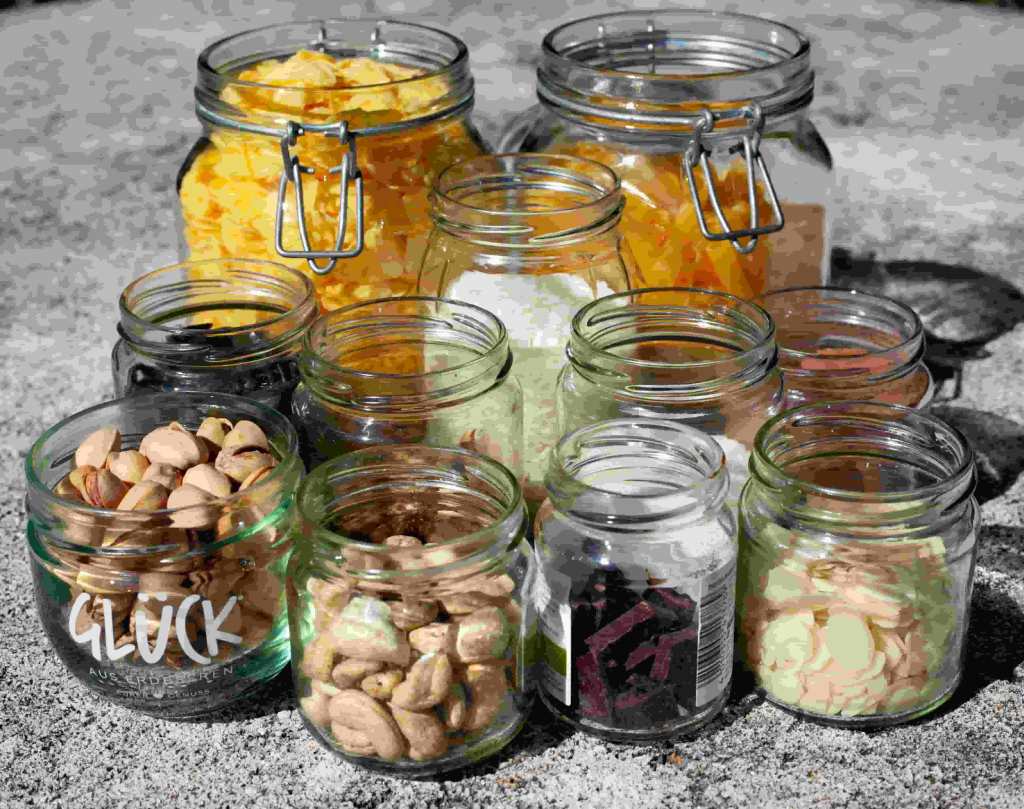
A row of various canning jar sizes and wholesale food storage containers filled with dry baking ingredients on a kitchen countertop.
Comparing different standardized canning jar sizes used for commercial dry food packaging and wholesale food storage containers.

Why Do Commercial Manufacturers Need to Standardize Canning Jar Sizes?

From a B2B procurement perspective, failing to lock down consistent container dimensions introduces severe operational liabilities. When your production lines process thousands of units per hour, even a millimeter variation in height or diameter can lead to disastrous jams, structural breakage, or costly filler downtime.

Standardizing your choice of glass containers yields structural benefits across three specific operational phases:

Phase A: Maximizing High-Speed Automation Efficiency

Industrial filling heads deposit fluids into containers at extremely high velocities based on calibrated volumetric profiles. If your canning jar sizes deviate from batch to batch, it creates variations in head-space margin. Insufficient head-space prevents vacuum formation during thermal sealing, while excessive head-space leads to faster product oxidation and degraded shelf life. Furthermore, automated capping machinery relies on uniform neck diameters to exert precise torque without cracking the glass threads.

Phase B: Ensuring Thermal Shock and Pressure Resistance

Commercial shelf-stable items require high-temperature pasteurization or retort sterilization. Industrial glass containers are specifically engineered to withstand sudden thermal shifts up to ASTM International regulatory standards. Choosing standardized, thick-walled commercial vessels ensures uniform heat distribution, minimizing thermal shock fractures during intense hot-fill cycles.

Phase C: Optimizing Global Shipping Logistics

Freight rates are calculated based on physical footprint, load weight, and volumetric density. Utilizing standardized dimensions enables packaging teams to design optimized pallet configurations. Unused overhead space within ocean containers or shipping pallets is simply wasted money. By matching your production metrics with precise outer dimensions, you eliminate transit shifting, cut down on secondary cardboard cushioning costs, and significantly minimize overall freight charges.

An aligned display of premium small glass jars and amber glass bottles for luxury wholesale packaging.
Custom amber and frosted glass jars in small fluid ounce capacities designed to protect light-sensitive formulas.

How Do You Select the Perfect Canning Jar Sizes for Wholesale Goods?

To select the right commercial container size, procurement managers must evaluate several technical performance variables. You can easily streamline your wholesale selection workflow by focusing on five core operational criteria:

1. Match Your Product Viscosity to Neck Opening Diameters

The physical consistency of your product dictates the necessary mouth width. Low-viscosity liquids like hot sauces, syrups, and thin marinades stream efficiently through narrow-neck finishes. Conversely, dense, high-viscosity products, whole fruits, or chunky vegetables require wide-mouth access to prevent automated filling jams and ensure smooth dispensing for the end consumer.

2. Calibrate Dimensions Against Factory Filling Heads

Before placing large procurement orders for canning jars bulk, verify that your co-packer’s or internal factory’s filling nozzles fit perfectly within the jar’s inner neck diameter. If the opening is too tight, it risks high-velocity splashback and line contamination. If it’s too loose, it can lead to dripping across the outer sealing threads, compromising your vacuum seal.

3. Review the Technical Specifications of Volumetric Dimensions

The table below highlights the dimensional profiles for standard commercial jars, allowing procurement teams to quickly compare specifications:

Commercial Capacity (Ounces / ML)Neck Finish Profile (mm)Standard Body Shapes AvailableOptimal Food Industry Applications
2 oz / 60 ml43-Twist / 48-CTRound, HexagonalGourmet Saffron, Caviar, Gift Samplers
4 oz / 125 ml48-Lug / 58-CTStraight-Sided, SquatConcentrated Pestos, Spices, Fruit Spreads
8 oz / 250 ml58-Lug / 70-CTRound, Square, JellyFruit Chutneys, Specialized Nut Butters
12 oz / 375 ml63-Lug / 70-GMFParagon, Oval, SquarePickled Relishes, Mayonnaise, Tapenades
16 oz / 500 ml70-CT / 82-LugRegular-Mouth, AC RoundTomato Sauces, Sliced Pickles, Ferments
32 oz / 1000 ml70-GMF / 86-CTWide-Mouth Mason, EconomyPasta Sauces, Wholesale Pickled Eggs
Shelves filled with bulk glass jars and preserves, exhibiting uniform canning jar sizes for retail grocery displays.
Mass retail display utilizing uniform mid-volume bulk glass jars to optimize shelf space and maximize brand visibility.

4. Evaluate Container Footprint against Global Shelf Displays

Your retail presentation directly impacts your sell-through rate. Tall, slender silhouettes like Paragon or Cylinder profiles take up less shelf frontage, allowing retailers to maximize their SKU variety on standard grocery displays. On the other hand, squat, wide-body profiles offer great structural stability and high front-label visibility, creating a premium look that stands out on crowded retail shelves.

5. Calculate Structural Tare Weights to Control Freight Logistics Costs

Glass is inherently heavy, and high shipping weights can quickly eat into your wholesale margins. Work closely with your packaging supplier to review structural blueprints and weight metrics. Upgrading to advanced, lightweight glass formulations helps maintain high top-load crush strength while shedding critical ounces per unit, resulting in substantial freight savings over high-volume production runs.

What are the Differences Between Lug and Continuous-Thread Neck Finishes?

A container’s neck finish determines the type of capping machinery required and dictates how effectively it maintains a commercial vacuum seal. Selecting the wrong finish style can lead to line inefficiencies and premature product spoilage.

Freshly prepared food being poured into clear canning jars bulk during a commercial hot-fill packaging process.
Industrial wide-mouth canning jars bulk processed under high temperature to ensure safe vacuum seal and structural durability.

Understanding Lug / Twist-Off Closures

Lug finishes are defined by several short, angled metal ridges spaced evenly around the outside of the container’s neck.

  • Sealing Action: Requires only a quick quarter-turn or partial twist to compress the lid’s plastisol liner against the glass rim.
  • Production Speed: This design is highly optimized for automated, high-speed industrial capping lines equipped with steam-injection vacuum chambers.
  • Industry Adoption: It is widely used across mass-production commercial food lines for items like pasta sauces, condiments, and pickles.

Understanding Continuous Thread (CT) Closures

Continuous thread finishes feature a single, unbroken glass ridge that wraps around the neck, much like a standard screw.

  • Sealing Action: Requires multiple full rotations to securely tighten and compress the inner seal.
  • Production Speed: While a bit slower on automated capping machinery, it offers a secure fit that is highly reliable for manual production lines.
  • Industry Adoption: This style remains a top choice for wellness products, dry food storage, and premium skincare lines utilizing wholesale food storage containers or upscale cosmetic styles.

How to Maximize Global Supply Chain Efficiency for Wholesale Packaging?

To keep your operations running smoothly, it’s essential to coordinate your manufacturing schedules with your packaging supply chain. Running out of containers can bring an entire factory to a halt, costing thousands of dollars in lost productivity.

When managing high-volume supply requirements, successful brands rely on a few key procurement strategies:

  • Implement Blanket Purchase Orders with Scheduled Releases: Lock in bulk volume discounts while arranging for timed shipments that match your real-time manufacturing schedule. This strategy helps you avoid high warehousing overhead costs.
  • Utilize Advanced Multi-Tiered Product Filtering Tools: Modern B2B sourcing platforms use robust advanced multi-selection tools, allowing managers to filter catalogs by exact body dimensions, precise neck thread parameters, and specific material grades to find the perfect fit instantly.
  • Source from Certified Global Manufacturing Facilities: Ensure your glass packaging partner adheres to strict international safety benchmarks, including ISO9001 quality management standards and strict food safety regulations. These certifications guarantee structural uniformity and worry-free performance on your production lines.

Partnering with an experienced, global supply chain expert like ベルリンパッケージングAPAC provides your business with end-to-end packaging support. From initial structural blueprints and custom mold designs to high-speed line testing and complex international logistics coordination, our team ensures your packaging line runs flawlessly. Ready to optimize your commercial production? Get in touch with our packaging engineering specialists today to request custom product samples, structural specifications, and scalable wholesale pricing tailored to your business.

コメントを残す

Berlin Packaging APACをもっと見る

今すぐ購読し、続きを読んで、すべてのアーカイブにアクセスしましょう。

続きを読む