

When browsing liquor stores or researching packaging, you may often encounter the term “a fifth of liquor” without knowing its exact meaning. For Asia-Pacific (APAC) users—whether liquor enthusiasts, packaging designers, or import-export business owners—understanding this Western volume term and its local equivalents is both confusing and essential. This article answers key questions about a fifth of liquor, explains common Western liquor volume terms, clarifies their APAC conversions, and offers practical bottle size advice for different liquors.
What Exactly is “a fifth of liquor”?
First, the core question: What is a fifth of liquor? Historically, a “fifth” refers to one-fifth of a gallon, a volume unit widely used for liquor packaging in the U.S. and other Western countries. Key conversions for global understanding:
- Basic Conversion: 1 US gallon = 128 fluid ounces (fl oz). A fifth (1/5 gallon) = 25.6 fl oz, or approximately 757 milliliters (mL) (the metric system used in APAC).
- Current Use: While “fifth” is traditional, modern bottles labeled “fifth” are standardized to 750 mL (≈25.4 fl oz) for convenience. The term remains widely used despite this minor difference.
- Common Misconceptions: Many confuse “fifth” with other sizes (pint, handle). A fifth = 750 mL, a pint = 375 mL (12.7 fl oz), and a handle = 1.75 L (59.2 fl oz)—details below.
For official verification, refer to the U.S. Alcohol and Tobacco Tax and Trade Bureau (TTB) website (https://www.ttb.gov), which specifies legal distilled spirit bottle sizes.
Core Western Liquor Volume Terms: Fifth, Handle, and Others
Beyond a fifth of liquor, several other Western liquor volume terms are common in global trade and enthusiast circles. Understanding them avoids confusion with Western brands or packaging standards. Below is a detailed breakdown with APAC-relevant metric conversions:
1. Standard Western Liquor Bottle Sizes
- Miniature/Nip: 50 mL (1.7 fl oz). Used for single servings, airline drinks, or samples—ideal for gifting or testing new liquors.
- ครึ่งไพนต์: 200 mL (6.8 fl oz). Small, portable size for personal use or travel—less common than other options.
- ไพน์ต์: 375 mL (12.7 fl oz). Medium size for two people or small purchases of high-end liquor.
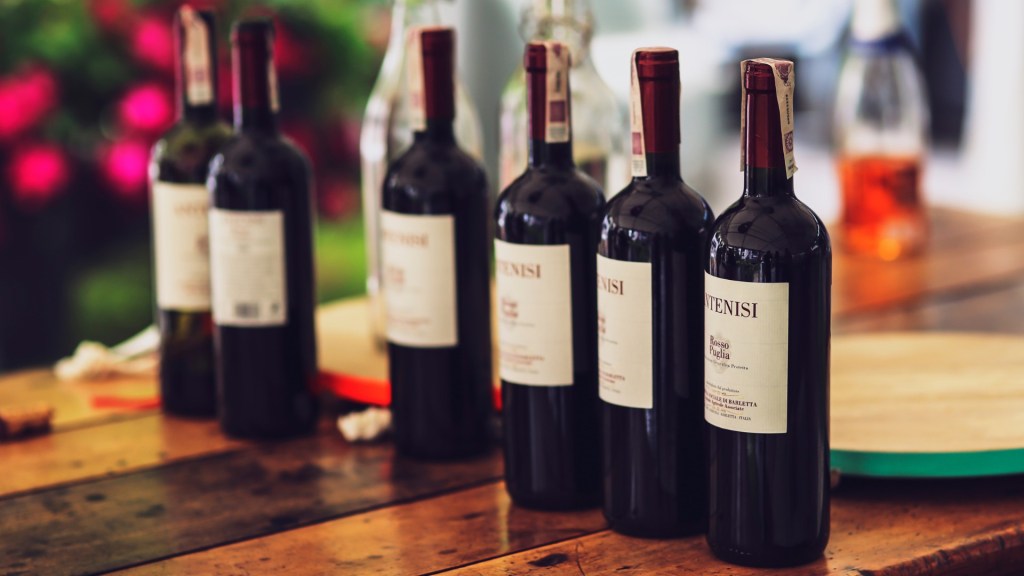
- ห้า: 750 mL (25.4 fl oz). Global standard for most spirits (whiskey, vodka, gin, rum) and the top choice for retail.
- รับมือ: 1.75 L (59.2 fl oz). Large size for parties, bars, or commercial use. Named for the built-in handle for easy carrying.
- Gallon: 3.785 L (128 fl oz). Rare in retail—used commercially for large-scale storage or cocktail mixing.
2. How Many Ounces Are in a Fifth of Liquor? (Detailed Conversion)
A common question: “How many ounces are in a fifth of liquor?” As noted, a traditional fifth = 25.6 fl oz. Modern “fifth” bottles are 750 mL (≈25.4 fl oz). This small difference is negligible for daily use but critical for precise packaging or trade.
Quick reference table for common liquor volumes:
| Western Term | US Fluid Ounces (fl oz) | Metric Unit (mL) |
|---|---|---|
| Miniature/Nip | 1.7 | 50 |
| ครึ่งไพนต์ | 6.8 | 200 |
| ไพน์ต์ | 12.7 | 375 |
| Fifth (Traditional) | 25.6 | 757 |
| Fifth (Modern Standard) | 25.4 | 750 |
| รับมือ | 59.2 | 1750 |
Correspondence Between Western Liquor Volumes and APAC Standards
APAC liquor packaging (China, Japan, South Korea, Southeast Asia) uses the metric system (mL/L), which can conflict with Western terms like “a fifth of liquor” or “handle”. Below is a clear breakdown of Western-APAC volume correspondences for cross-regional trade or personal use:
1. Core APAC Liquor Bottle Standards
- 50 mL: Equivalent to Western “miniature”/”nip”. Used in APAC for samples, airline drinks, or small gift sets (e.g., premium Japanese whiskey samples).
- 375 mL: Matches Western “pint”. Used in APAC for personal-sized spirits or wine “half-bottles”.
- 750 mL: Global standard, equivalent to modern Western “fifth”. The most common retail size in APAC for all mainstream spirits and wine.
- 1.75 ลิตร: Corresponding to Western “handle”. Used in APAC for bars, restaurants, or large family gatherings—less common in retail than 750 mL.
- 1 ลิตร: Metric-exclusive size, widely used in APAC but rare in the West. Balances cost-effectiveness and portability for medium-volume purchases.
2. Key Considerations for Cross-Regional Liquor Packaging
For businesses importing Western liquor to APAC or exporting APAC spirits West, understanding these conversions is critical for compliance and consumer clarity:
- Labeling Requirements: APAC countries (e.g., China, Australia) mandate metric volume labels (mL/L). For imported “fifth” bottles, clearly display 750 mL alongside Western terms.
- Compliance Standards: Some APAC countries have strict liquor bottle size rules. For example, China’s GB 2757-2012 standard specifies volume tolerances for spirits—businesses must comply.
- Consumer Perception: APAC consumers prefer metric units, so prioritize mL/L in marketing. Explaining terms (e.g., “750 mL = a fifth of liquor”) builds trust and educates.
Bottle Selection Advice for Different Types of Liquor
Beyond volume units, choosing the right bottle size for different liquors (whiskey, vodka, wine) is key for personal and business success. Targeted advice by liquor type and use case:
1. Whiskey
- Personal Use/Enthusiasts: 750 mL (fifth) for daily consumption; 375 mL for testing rare/high-end whiskeys without full-bottle commitment.
- การให้ของขวัญ: 50 mL miniature sets (multiple whiskeys) or 750 mL premium custom bottles are popular in APAC. Avoid bulky 1.75 L bottles for gifting.
- Commercial Use (Bars/Restaurants): 1.75 L (handle) for cost-effective high-volume whiskey cocktails; 750 mL for premium neat/on-the-rocks service.
2. Vodka
Vodka is often used in cocktails, so prioritize versatile bottle sizes:
- Home Use: 750 mL (fifth) is standard for home bars—sufficient for multiple cocktails without being bulky.
- Parties/Events: 1.75 L (handle) for large gatherings—vodka is a popular base for group cocktails (punch, martinis).
- APAC Market Note: 375 mL small vodka bottles are popular among single-person households and casual drinkers in APAC.
3. Wine
Wine bottle sizes follow unique conventions but align with APAC’s metric system:
- Standard Wine Bottle: 750 mL (equivalent to a fifth of liquor). Global standard for red, white, and rosé wine.
- Sparkling Wine/Champagne: 750 mL standard; 375 mL “split” bottles are popular for APAC celebrations or single servings.
- Large-Capacity Wine: 1.5 L (magnum) or 3 L (jeroboam) for large gatherings—less common in APAC retail due to storage limits.
Common Misconceptions in Using Liquor Volume Units
Mistakes are common when dealing with liquor volumes, especially cross-regionally. Avoid these 3 key pitfalls:
- Confusing “Fifth” with Other Sizes: Do not mix up 750 mL (fifth) with 375 mL (pint) or 1.75 L (handle)—this causes over-purchasing/stock shortages, especially for businesses.
- Ignoring APAC Metric Conversion: Failing to convert Western units to metric in APAC can lead to non-compliance and consumer confusion.
- Mismatching Bottle Size and Liquor Type: Using large sizes (e.g., 1.75 L) for premium whiskey hurts sales—consumers link large volumes to low-quality/economy spirits.
Conclusion: Master Liquor Volume Knowledge to Boost APAC Market Development
ความเข้าใจ a fifth of liquor and other Western volume terms is essential for navigating the global liquor market—especially APAC. Learning Western-APAC conversions and following bottle size advice helps avoid compliance risks, meet consumer needs, and make informed purchasing/business decisions.