
Bottle Selection
Compare multiple wine bottle shapes, capacities and glass colors.

Wine Packaging Solutions
Discover our curated selection of premium wine bottles and closures designed to preserve flavor and elevate presentation. From classic Bordeaux and Burgundy bottles to modern shapes and custom finishes, we offer flexible packaging options for wineries, distributors, and private labels.
Explore glass wine bottles for wineries, beverage brands and packaging buyers. Compare Bordeaux, Burgundy, sparkling and small-format options, with guidance on capacity, closures and wholesale supply.

Find bottle shapes and formats suited to your wine packaging project.

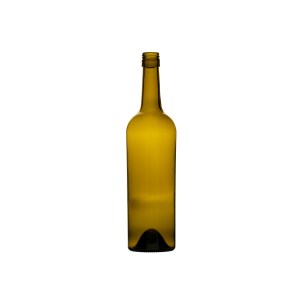
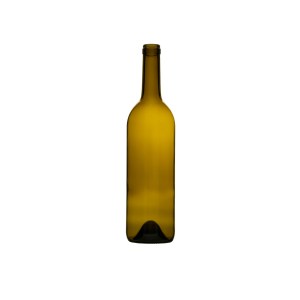
Classic straight-sided bottles for red and white wines.
Explore collection →
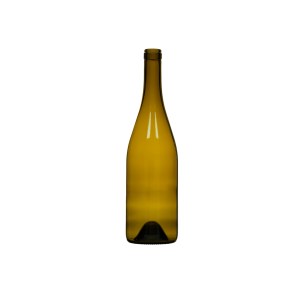
Sloping-shoulder bottles for a distinctive wine presentation.
Explore collection →
Explore bottle options for sparkling wine applications.
Explore collection →
Compact formats for samples, gifts and single servings.
Explore collection →Explore available bottle styles and specifications below. Contact our team to discuss wholesale quantities, samples and your packaging requirements.





Five practical considerations for wineries and wholesale packaging buyers.
Explore practical packaging options and project support for your wine brand.
Compare multiple wine bottle shapes, capacities and glass colors.
Discuss neck finishes, closures and technical specifications.
Share your design, decoration and packaging requirements.
Request information on order volumes, samples and delivery.
Answers to common sourcing and specification questions.
Common wine packaging formats include Bordeaux, Burgundy, Champagne and sparkling wine bottles, as well as smaller formats. Availability depends on the specific product range.
750ml is a widely used wine bottle capacity. Other sizes may be available depending on the bottle style and market requirements.
Lightweight bottle options may be available for selected designs. Ask for current specifications, weight, dimensions and suitability for your filling and distribution conditions.
Closure compatibility depends on the bottle neck finish. Confirm the exact finish and selected closure system before ordering.
Not necessarily. Sparkling wine packaging must be specifically evaluated for the intended internal pressure and processing conditions.
Customization possibilities may include glass color, decoration or project-specific designs, subject to feasibility, order quantities and production requirements.
Minimum order quantities vary by bottle model, stock availability and customization requirements. Share your estimated volume for a project-specific response.
Send the bottle style, capacity, preferred glass color, closure type, quantity and delivery destination to our team so we can review your request.
Tell us your preferred bottle shape, capacity, glass color, closure and estimated order quantity. Our team can discuss suitable options for your project.
Bordeaux and Burgundy bottles create different shelf impressions and may have different dimensions, shoulder profiles and handling characteristics. A bottle shape should support your brand positioning while working with your filling, labeling, packing and storage equipment.
Champagne and sparkling wine bottles require additional attention to the intended pressure conditions. Do not assume that a still-wine bottle is suitable for a carbonated product.
Compare physical samples and dimensional specifications before confirming a wholesale order.
750ml is a familiar retail wine format, but smaller and other capacities may suit hospitality, sampling, gifting and different markets. Confirm local labeling and packaging requirements for the destination market.
Bottle weight can influence material use, shipping costs and the feel of the finished product. A lighter bottle is not automatically appropriate for every filling process or distribution route.
Request product-specific technical drawings and samples for testing.
The bottle neck finish determines which closure systems can be considered. Cork-finish and screw-cap bottles are not interchangeable without the appropriate specifications and equipment.
Check the complete packaging system, including the closure, bottle finish, application process and storage conditions. A closure should be evaluated for the actual wine and distribution needs.
Validate the bottle and closure combination before production.
The punt is the indentation in the base of some wine bottles. Its depth and shape can affect visual presentation, bottle geometry and handling, but a deeper punt does not by itself establish higher quality or pressure resistance.
When comparing lightweight wine bottles and traditional designs, assess the complete technical specification rather than one feature in isolation.
For sparkling wine, request containers specifically qualified for the intended pressure and process.
Compare the full supply arrangement, not only the unit price. Bottle dimensions, packaging configuration, glass weight, freight distance and order frequency all affect the delivered cost.
If you need custom decoration, a specific glass color or a unique mold, discuss feasibility, minimum order quantities and production lead times before finalizing artwork or launch dates.
Providing these details helps the packaging team prepare a more relevant quotation.